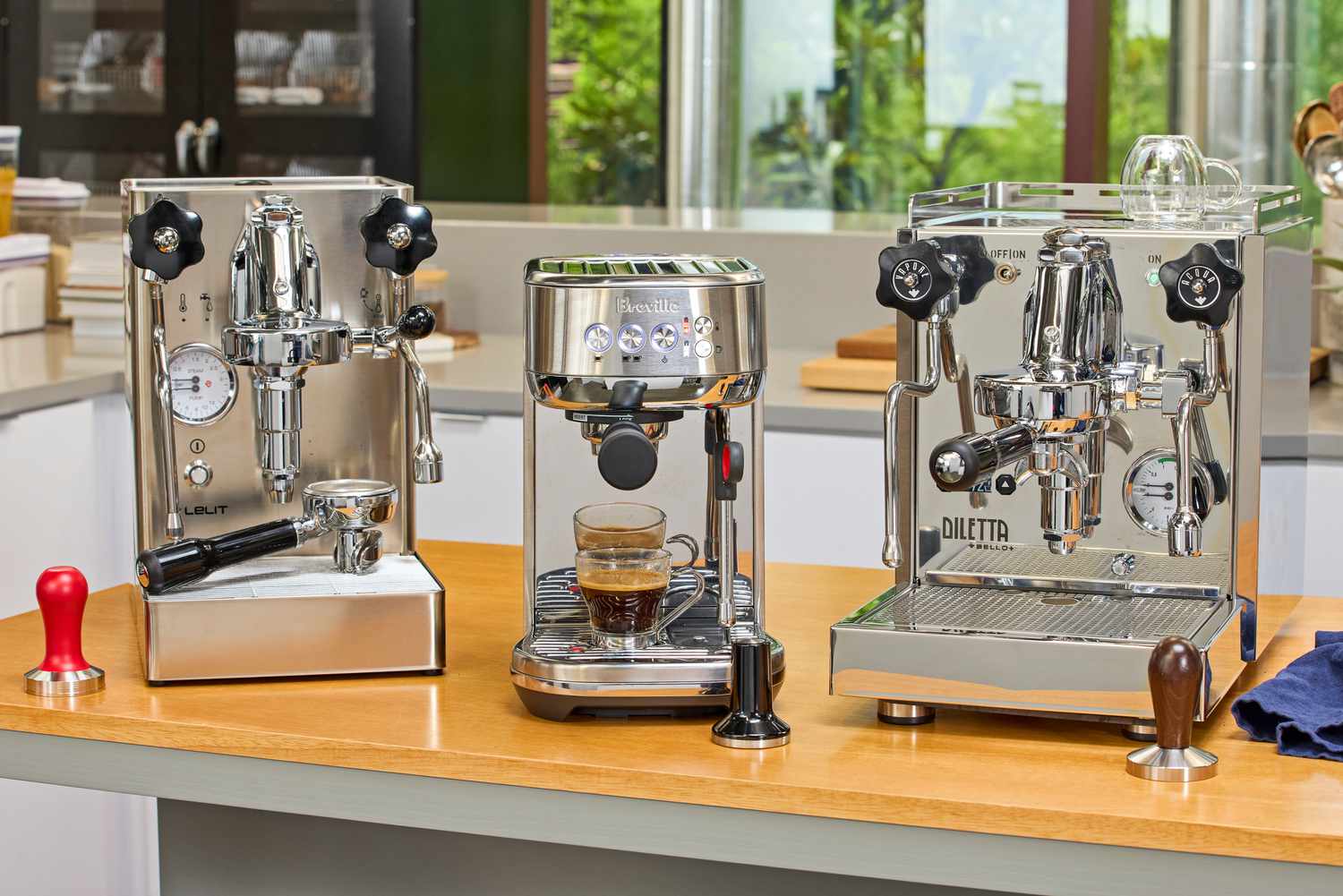
If you’ve been spending what feels like a lifetime trying to find the best espresso machine, clicking through endless lists, skimming vague product blurbs, and wondering if any of it actually helps, you’ve just landed in the right place.
This isn’t another copy-and-paste “top 10” post filled with manufacturer fluff and salesy nonsense. I’m not here to convince you that every machine is “amazing” or “perfect.” I’m here to help you determine which espresso machine is the right fit for you, your home, your budget, your experience level, and your coffee goals.
If this is your first time on CoffeeKev.com, welcome! I’m Kev. I’m a coffee geek turned full-time content creator, and I run the CoffeeKev YouTube channel(yep, you’ll find video reviews linked throughout this post). I’ve been testing espresso machines and all things coffee for over a decade.
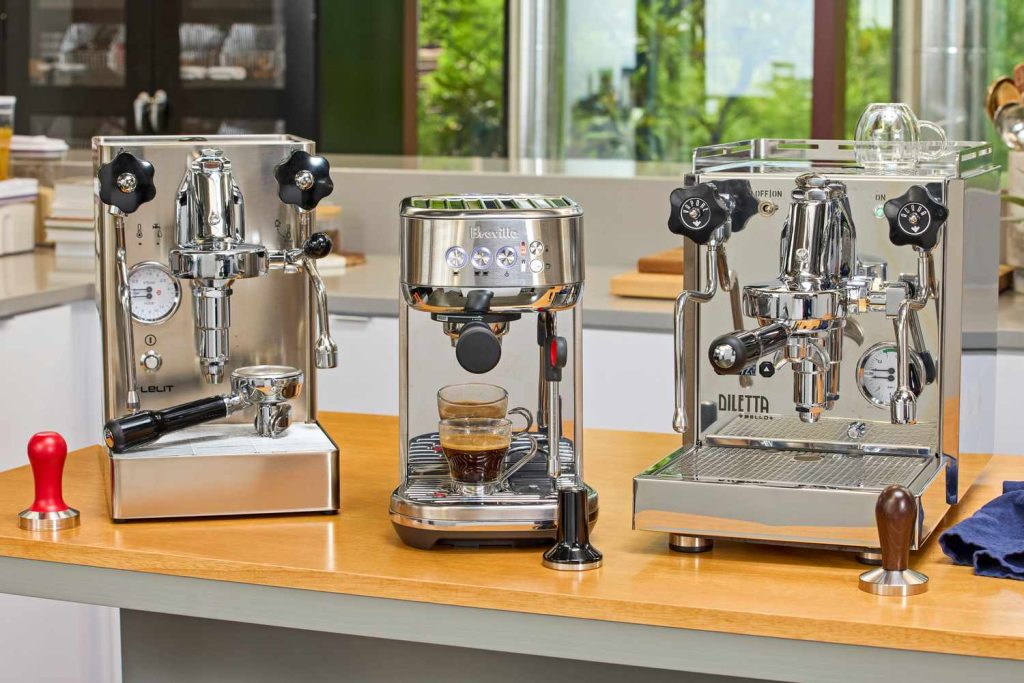
Quick heads up before we dive in:
This guide is split into three main parts to help you find your way based on what kind of machine you’re looking for:
- The Best Cheap Espresso Machines – For beginners and budget-conscious folks who want decent espresso at home without spending a fortune. 👉 Skip to budget machines
- The Best Home Barista Espresso Machines – For those ready to dive deeper, dial in shots, and get hands-on with proper home barista gear. 👉 Skip to home barista picks
- The Best Automatic Espresso Machines – For people who want great coffee with as little effort as possible, push-button simplicity, no tamping required. 👉 Skip to the automatic machines
So whether you’re just getting started, levelling up your setup, or prioritizing convenience over control, you’ll find what you’re looking for.
Important side note: I don’t get paid by brands to write about their machines. If I like a machine, I’ll tell you why. I’ll say that if I think it’s not worth your money. I don’t pull punches. My only goal is to help you make a confident, informed decision.
There’s a reason so many espresso fans stick with me for reviews: I use the machines. I spend hours testing them, not just reading the box. I know what actually matters when you’re pulling shots, steaming milk, or troubleshooting that weird blinking light at 6 a.m.
So if you want more than surface-level comparisons and generic features, you’re in the right place. You’ll find honest insights, comparisons based on real hands-on use, and my best advice for matching the right espresso machine to the kind of coffee experience you’re after.
I get it, buying an espresso machine is a big decision. Whether you’re a total beginner, a latte art fanatic, or someone just looking to upgrade your daily brew, I’ve got you covered.
By the end of this guide, you’ll have a clear idea of which machine is right for you, and more importantly, why.
The Best Type of Espresso Machine for You
Here’s something I say a lot: when it comes to espresso, there’s no such thing as one-size-fits-all. (Honestly, there’s not even a one-size-fits-all hat in my case, I’ve got a massive head. Not sure why… It’s definitely not full of brains.)
Why Choosing the Right Type of Machine Matters
“Espresso machine” is a broad term. If you don’t narrow it down a bit, you could easily end up with the wrong kind of machine for your needs, one that leaves you frustrated, underwhelmed, or worse, with bad coffee.
So, before you even start shopping, the most important thing is to figure out what type of espresso machine is right for you.
From Manual to Super-Automatic: The Espresso Spectrum
There are more espresso machine types than ever these days, which makes categorizing them tricky. But the easiest way to think about it is as a spectrum:
- On one end, you’ve got manual machines (lever-operated, hands-on, all control).
- On the other end, you’ve got super-automatic machines (just press a button).
- And in between? A whole range of options that balance convenience and control.
Espresso, the Base of All the Café Favorites
If your favorite drinks include cappuccinos, lattes, flat whites, or Americanos, then yep, you’re in the right place. These are all espresso-based drinks, which means you need an espresso machine.
But… what kind of espresso machine? That depends on how much effort, skill, and time you want to invest.
Traditional Espresso Machines: Powerful but Hands-On
Semi-automatic machines (the kind with a portafilter and pump) are what most pros use. They can deliver top-tier espresso, but there’s a learning curve. Baristas make it look easy, but trust me, it takes some trial and error to get it just right.
If you’re willing to dive into the craft, these machines offer ultimate control and the highest potential cup quality.
Automatic Espresso Machines: Easy, But With Trade-Offs
Automatic espresso machines, especially super-automatic ones, make things really simple. They grind the beans, dose the shot, tamp, extract, and even steam milk for you in many cases. You just push a button, and coffee happens.
Sounds great, right? And for many people, it is.
But here’s the catch: the cup quality is usually a bit… vague. Let’s just say the espresso they make is espresso-adjacent. It’s often a bit dull and lacking in depth, especially when compared to what you can get from a well-tuned traditional machine.
The Average Drinker vs. the Espresso Snob
For most folks, this “good enough” espresso is perfectly fine. And that’s why super-automatic machines are so popular, they deliver what the average coffee drinker wants.
But if you’ve already tasted truly great espresso, or if you want to learn how to make it, you might find automatic machines a bit underwhelming.
The Best of Both Worlds? Meet the Hybrid Machines
Luckily, there’s now a growing middle ground between full manual control and full automation. And Breville (aka Sage in the UK) is leading the charge here.
Machines like the Barista Express Impress or the Oracle Touch offer some automation, like assisted tamping or auto milk steaming, while still using a traditional portafilter system. These are perfect for people who want great coffee without turning their kitchen into a training ground for latte art competitions.
What to Expect From This Guide
So as you read through the rest of this article and my espresso machine reviews, just remember:
- We’re going to start with manual and semi-automatic machines for home baristas.
- Then we’ll move into the “hybrid” machines that bridge convenience and control.
- Finally, we’ll look at the super-automatic machines that do everything for you.
No matter where you land on that spectrum, there’s something in this guide for you, and I’ll help you find the best espresso machine for you.
The Best Cheap Espresso Machines
If what you’re looking for is an affordable and simple way to make something that resembles a latte or cappuccino at home, and you’re not too bothered about chasing true espresso perfection, then this category is for you.
Made for the “Normal” Coffee Drinker
These machines are low-cost, straightforward, and require no special skills. Just unbox, fill the portafilter with pre-ground coffee, hit the button, and boom, you’ll get a strong espresso-like coffee. Most of them also come with a steam wand, so you can froth milk for lattes and cappuccinos. If that’s your goal, you’re in the right place.
And if that’s what you’re after, you’re what I’d call a perfectly normal coffee drinker, which, by the way, is how I started out just a few years ago before I tripped and fell headfirst down the home barista rabbit hole. These machines are built for folks like you.
What Do We Mean by “Cheap Espresso Machine”?
When I say “cheap espresso machines,” I’m not just talking about the price tag. I’m talking about a specific type of machine, let’s call them pressurized basket espresso machines or high-pressure espresso machines.
Most machines under $300 fall into this category. They use pressurized baskets or pressurized portafilters to simulate espresso extraction, even when using pre-ground coffee or ESE pods. They’re designed to be forgiving, and to work with cheaper grinders that can’t grind finely enough for real espresso.
Pressurized vs. Non-Pressurized Baskets
These machines create artificial “crema” by forcing the coffee through a small hole in the basket or portafilter. That gives the appearance of real espresso, but it’s not quite the same. It’s great for convenience, but if you’re chasing the kind of espresso your local barista pulls at your favorite café, these machines won’t get you there.
Are Cheap Espresso Machines Worth It?
If you just want an easy way to make a cappuccino or latte at home without investing too much money or effort, yes, these machines are totally fine. You’ll get strong coffee, you can froth your milk, and you’ll be more than satisfied if you’re not chasing artisan-level espresso.
But if you’re serious about dialing in real espresso, then you’ll probably end up frustrated with one of these. You’ll hit the machine’s limits pretty quickly, and you’ll start wishing you’d invested a bit more up front.
Want Real Espresso? Skip Ahead
If you’re aiming for barista-level espresso and café-quality drinks, I’d recommend skipping ahead to the home barista machines section. Look into entry-level machines like the:
- Gaggia Classic Pro
- Breville Bambino
- Breville Duo Temp Pro
- Breville Bambino Plus
Just pair one of those with the best espresso grinder you can afford, and you’ll be off to a strong start.
On a Tight Budget?
If your budget won’t allow for anything more than the cheapest espresso machine, that’s OK, but just know what you’re getting into.
You’ll probably want to upgrade to a bottomless portafilter so you can use a standard, non-pressurized basket, and you’ll still need to invest in a decent grinder to get anywhere near “real” espresso.